Knee Arthritis Treatment Without Surgery: What Works at Each Stage
"It's Arthritis. Come Back When It's Bad Enough for Surgery."
If you've heard some version of that sentence, you know how it feels. You get an X-ray, someone points to a narrowed joint space, and the plan is to manage the pain with pills or injections until the knee is "bad enough" to replace. In the meantime you're skipping stairs, sitting out walks with your family, and sleeping badly.
I'm Dr. Anthony Consales. In more than 35 years of practice, knee pain has become my specialty focus, and I've seen the same story hundreds of times. Here's what I want you to know first: a diagnosis of knee arthritis is not a countdown to surgery. Many people with arthritic knees can get meaningfully better without an operation, and the right approach depends on which stage you're in.
What's Actually Happening Inside an Arthritic Knee
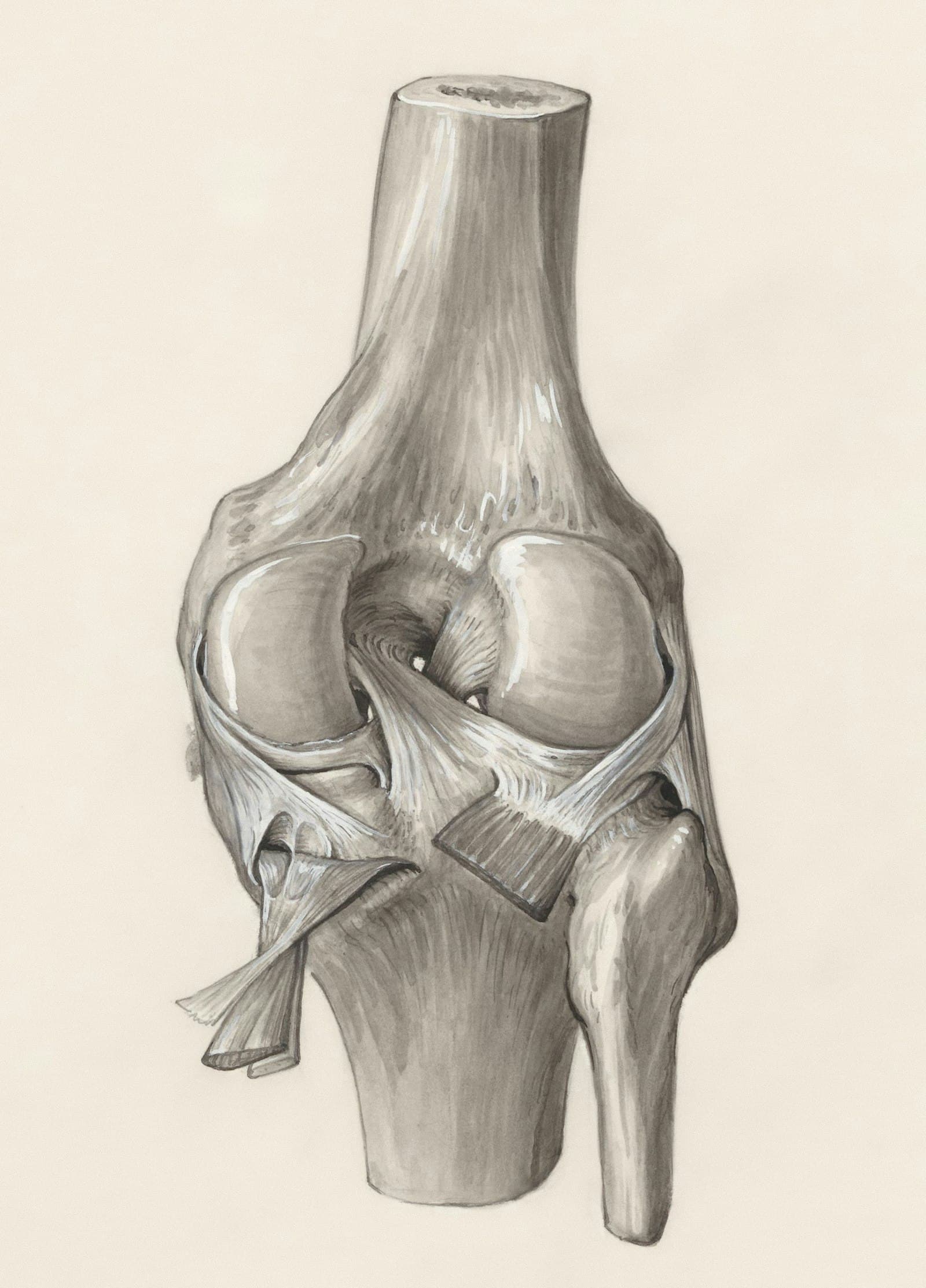
Osteoarthritis is a gradual wearing down of the cartilage that cushions your knee. But cartilage loss is only part of the picture. A painful arthritic knee usually involves:
- Joint compression that keeps worn surfaces pressed together
- Chronic inflammation in the joint lining and surrounding tendons
- Poor circulation in tissue that already heals slowly
- Compensation from the hip, back and foot, which overload the knee further
This matters because X-ray severity and pain don't always match. Some people with "severe" X-rays function well, and some with mild changes are miserable. That tells me pain is driven by more than the picture, and those other drivers can often be treated.
The Usual Non-Surgical Options, Honestly
Most orthopedic offices will start with some combination of these, and each has a place:
- Weight management and exercise. Genuinely helpful. Every pound you lose takes roughly four pounds of load off your knees with each step. But when it hurts to walk, that advice is hard to follow.
- Physical therapy. Builds support around the joint. It strengthens muscle but doesn't directly address inflamed, poorly healing tissue.
- Anti-inflammatory medication. Can take the edge off, but it's a long-term stomach and kidney trade-off.
- Cortisone injections. Fast relief that often fades, and repeated injections are a concern for joint tissue. See our full breakdown of knee replacement alternatives.
If you've done these and you're still hurting, you haven't failed. You've just been given tools that don't reach the whole problem.
How We Treat Knee Arthritis at Consales Chiropractic
At our White Oak office, we work on three layers at once. This is the heart of our whole-body approach: signal the healing, fuel the repair, and make the results hold.
1. Take the pressure off: Knee On Trac™
Knee On Trac uses gentle mechanical traction to create space in a compressed joint. Sessions are comfortable, and at $45 per session it's an accessible place to start. The goal is less grinding and a better environment for the tissue to calm down. You can read more about how Knee On Trac works and what patients experience.
2. Signal the repair: StemWave®
StemWave regenerative therapy delivers acoustic waves into the painful tissue. They're designed to encourage circulation and your body's own repair response in an area that has stalled. Sessions take about 5 to 6 minutes, with no drugs, no needles and no downtime, and many patients feel a change within the first 1 to 5 visits. New patients can try it with a $49 introductory session. For the details, see how StemWave targets knee pain.
3. Fuel the repair: Nutrition Response Testing
Inflammation isn't only local. If your body is short on the raw materials it needs to rebuild tissue and keep inflammation in check, even good therapy runs into a ceiling. Nutrition Response Testing helps us identify what your body is asking for and build a personalized supplement plan. The initial evaluation is $175 (promo), and the investment in the full program varies with your personalized supplement protocol.
Depending on your knee, we may also add Class IV laser for deeper inflammation or chiropractic adjustments when the hip, low back or foot are overloading the joint.
What to Realistically Expect at Each Stage
I'll be straight with you: I can't promise to regrow cartilage, and no honest provider can. The goal of care is less pain, better motion and a knee you can use. Here's how that tends to look.
- Mild arthritis (early changes, stiffness, occasional flare-ups). This is the best window. Many patients respond quickly, and the aim is to calm the joint and keep it from progressing.
- Moderate arthritis (pain with stairs, walking, getting up from a chair). Usually a good fit for a combined plan. Patients commonly notice improvement within the first several visits, with continued gains over a course of care.
- Advanced arthritis ("bone on bone"). Results are less predictable, but many patients still find enough relief to reclaim daily activities. A realistic trial of care is reasonable before committing to a replacement.
What Our Patients Say
Jerold Augustine came to us with pain and swelling in his right knee, morning stiffness, and intense pain after walking or climbing. He reported fast results and said his lifestyle went back to normal.
Linda Begley had achy knees alongside fatigue and neuropathy in her feet. With a plan that combined structural care and nutrition, she reported more energy and improvement in her neuropathy along with her knees. Individual results vary, but patients like Linda are why we treat the whole person, not just the joint. You can read more on our patient reviews page.
When Surgery Is the Right Call
I'm not anti-surgery. If a joint is severely deformed, if you've had a fair trial of conservative care without response, or if your daily life is truly unmanageable, a replacement can be the right decision, and I'll tell you so. But most people I meet were pointed toward surgery before they'd tried a full non-surgical plan. Giving your knee that chance costs you little and may save you a great deal.
Take the First Step
If you've been told your knee is arthritic and you want to know what your real options are, come in for an evaluation. We'll look at the knee and the whole chain around it, explain what we find, and give you an honest recommendation, including if we think surgery is where you're headed.
Call us at (412) 678-9123 or request an appointment online. We're at 3045 Jacks Run Rd in White Oak and welcome patients from North Huntingdon, McKeesport, Irwin, Greensburg and across Western PA. To learn more about our approach to knee care, visit our chronic knee pain page.
Written by
Dr. Anthony Consales
Founder & Lead Chiropractor